





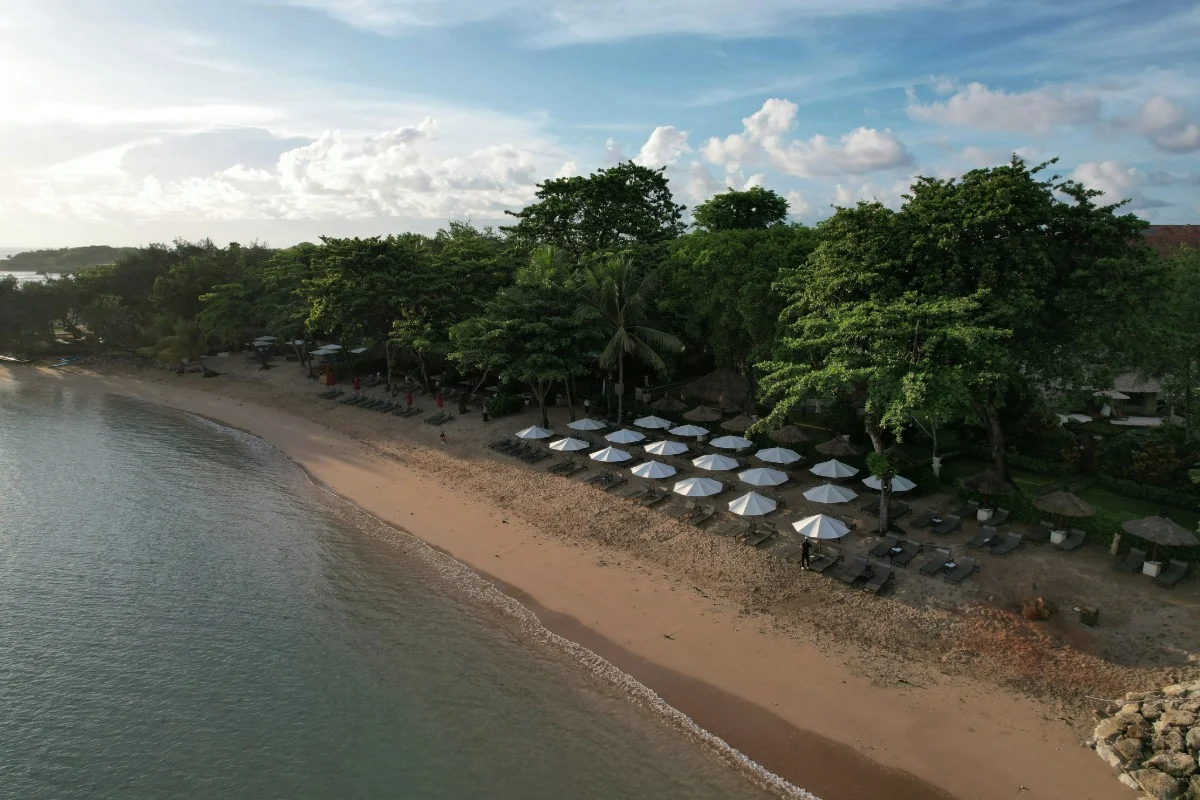
Nusa Dua is one of Bali’s popular resort destinations, known for its white sand beaches, luxury hotels, and peaceful atmosphere. Beyond its resorts, there are plenty of things to do in Nusa Dua, from relaxing by the beach to exploring cultural attractions and enjoying water sports.
Whether you’re traveling with family, planning a romantic getaway, or looking for outdoor adventures, Nusa Dua offers activities for different travel styles. This guide covers the best attractions, local experiences, and practical tips to help you make the most of your visit.
Nusa Dua at a Glance: What to Know Before You Go
Nusa Dua is a luxury resort area in southeastern Bali, known for its white sand beaches, calm waters, and modern facilities. Managed by ITDC, this well-organized area offers a safe and comfortable environment, making it a popular choice for families and travelers looking for a peaceful holiday near Nusa Dua Beach.
General Overview
Located approximately 20 to 30 minutes from I Gusti Ngurah Rai International Airport via the Bali Mandara Toll Road, Nusa Dua features security checkpoints at its entrances, clean streets, and wide sidewalks suitable for walking.
The area has a quiet and well-maintained atmosphere, with many five-star hotels and luxury resorts offering direct beach access and various guest facilities.
Things to Note
Nusa Dua is not known for its nightlife or party scene. Evening activities are mostly limited to hotel restaurants, bars, and lounges, making it more suitable for travelers who prefer a relaxed atmosphere.
For those wondering what to do in Nusa Dua, popular activities include walking along the beach, cycling around the resort area, and visiting Water Blow Nusa Dua to see waves crashing against the coastal rocks.
Water sports such as parasailing, banana boat rides, and jet skiing are mainly available in Tanjung Benoa, just north of Nusa Dua. Within the resort complex, walking and cycling are convenient ways to explore, while taxis and rental vehicles are useful for visiting other parts of Bali.
Pick Your Day by Mood
Relaxing Activities for a Slow-Paced Day
For travelers looking for things to do in Nusa Dua Bali, the area offers several relaxing activities, from enjoying peaceful beaches to spa treatments and coastal walks.
- Relaxing at Mengiat Beach: Spend time on a beach chair, enjoy the sun, or swim in the generally calm and clear waters. It is one of the most popular Nusa Dua beaches for a relaxing day.
- Luxury Spa Treatments: Enjoy traditional Balinese massages, aromatherapy, or body treatments at one of the luxury resort spas in Nusa Dua.
- Walking Along the Beachfront: Take a morning walk or afternoon bike ride along the coastal pathway, which connects several beachfront areas and offers ocean views.
Outdoor Adventures and Water Sports
For those seeking more active Nusa Dua activities, the area offers several outdoor experiences, including water sports, surfing, and natural coastal attractions.
- Water Blow Nusa Dua: Visit one of the well-known Nusa Dua attractions, where strong Indian Ocean waves crash against rocky cliffs and send water high into the air.
- Water Sports in Tanjung Benoa: Located approximately 10 minutes from Nusa Dua, Tanjung Benoa offers activities such as parasailing, jet skiing, flyboarding, and seawalker experiences.
- Surfing at Nusa Dua Reef: Explore the offshore reef breaks around Nusa Dua, which offer challenging waves suitable for intermediate and experienced surfers.
Cultural Experiences and Local Life
Beyond its beaches and resorts, Nusa Dua also offers cultural attractions that introduce visitors to Indonesian art, history, and traditions. These experiences are worth considering when exploring things to do in South Bali.
- Museum Pasifika: Discover more than 600 artworks and cultural pieces by artists from the Asia Pacific region and Europe.
- The Devdan Show: Watch a theatrical performance at Bali Nusa Dua Theatre featuring traditional Indonesian dances, acrobatics, and cultural stories from different regions of the country.
- Geger Temple (Pura Geger): Visit a traditional Balinese temple located on a rocky cliff overlooking the ocean. The temple offers a peaceful setting and a chance to learn about local religious traditions.
- Local Night Markets: For a more casual evening experience, travelers looking for a Nusa Dua night market can explore nearby local food markets to discover Indonesian dishes and snacks.
Beaches and Coastal Walks in Nusa Dua
Exploring the beaches and coastal paths is one of the most relaxing things to do in Nusa Dua, Bali. Whether you’re planning a Nusa Dua day trip or staying at a nearby resort, these coastal areas offer opportunities for swimming, walking, and enjoying ocean views.
1. Nusa Dua Beach
Nusa Dua Beach stretches along the main resort area, surrounded by several five-star hotels. It is known for its clean white sand and generally calm, shallow waters.
A natural coral reef offshore helps reduce large waves, making it a popular spot for swimming, paddleboarding, and relaxing by the sea. It is also a good option for families looking for things to do with kids in Nusa Dua.
2. Geger Beach
Located in southern Nusa Dua, Geger Beach offers golden white sand, clear waters, and a more natural atmosphere. The beach has a public access area and is suitable for swimming when conditions are calm.
In some sections, visitors may also see local seaweed farming activities. At the southern end, a limestone cliff leads to Geger Temple, which overlooks the Indian Ocean.
3. Mengiat Beach
Mengiat Beach is one of the longest and cleanest beaches within the ITDC resort area. The water near the shore is generally calm and suitable for swimming, while the offshore reef creates waves for surfing.
It is also a popular place to watch the sunrise, with traditional Balinese fishing boats, known as jukung, often resting along the beach.
4. Exploring the Nusa Dua Promenade
The Nusa Dua Promenade is a paved coastal pathway stretching approximately 7 kilometers, connecting several resorts, beaches, and restaurants. As a pedestrian-friendly route without regular motor vehicle access, it is ideal for morning jogging, cycling, or afternoon walks.
The promenade is open to the public, making it a convenient option for Nusa Dua sightseeing and enjoying the coastline at your own pace.
Water Blow and the Seafront Promenade
Water Blow is one of the popular places to visit in Nusa Dua, offering a unique coastal experience beyond the usual beach activities. For travelers wondering if Nusa Dua is worth visiting, this natural attraction is an interesting option alongside the beaches and water sports in Nusa Dua.
What to Know Before Visiting Water Blow
- Location and Access: Water Blow is located on Peninsula Island, a large grassy coastal area within the ITDC Nusa Dua complex. Visitors can easily reach it by walking along the pedestrian pathway from nearby hotels and resorts.
- Entrance Fee: Visitors are required to pay an entrance fee, with different rates for domestic and international tourists. The fee helps cover facility maintenance and visitor insurance.
- Safety Guidelines: Strong and unpredictable waves make Water Blow a potentially dangerous area. Visitors should stay within the designated observation deck and avoid climbing barriers, walking onto the rocks, or swimming near the site.
- What to Bring: Bring sunglasses, a hat, and waterproof protection for your phone or camera. Large waves can send water spray toward the viewing area, so visitors may get wet.
How Tides and Sea Conditions Affect Your Visit
- Best Time to Visit (High Tide): The impressive water sprays at Water Blow depend on the tides and ocean conditions. High tide combined with strong waves from the Indian Ocean usually provides the best opportunity to see the water rising above the rocks.
- Strong Wind Season: Between July and October, southeast monsoon winds can contribute to stronger ocean swells, creating more dramatic water sprays when conditions are suitable.
- During Low Tide: Water Blow may appear calmer during low tide, with smaller waves hitting the rocks and little water spraying into the air.
- Check the Tide Schedule: Before visiting, check Bali’s local tide charts and weather forecasts. Planning around suitable sea conditions can help you enjoy a better experience at Water Blow.
Culture and Heritage Beyond the Resort Gates
Explore the Interfaith Complex at Puja Mandala
- A Symbol of Religious Tolerance:
Puja Mandala is a unique religious complex in Nusa Dua that brings together five places of worship in one area. These include the Ibn Battutah Grand Mosque, the Catholic Church of Mary, Mother of All Nations, the Protestant Church of Christ the King (GKPB), Jagatnatha Temple, and Buddha Guna Vihara. - Religious Harmony in Bali:
The complex represents the spirit of Bhinneka Tunggal Ika, meaning Unity in Diversity. It shows how different religious communities in Bali can practice their beliefs peacefully within the same area. - Visitor Etiquette:
Tourists are welcome to explore the complex, but they should dress modestly, keep noise levels low, and respect ongoing religious activities. Visitors should also follow the entry rules of each place of worship.
Discover Local Art at Museum Pasifika
- An Extensive Art Collection:
Museum Pasifika features more than 600 artworks and cultural artifacts created by artists from 25 countries across the Asia Pacific region and Europe. - Themed Art Galleries:
The museum has several galleries displaying works by Balinese and Indonesian artists, along with international artists who lived in Bali, including Theo Meier and Le Mayeur. Visitors can also explore cultural artifacts from Oceania. - A Comfortable Cultural Experience:
Located within the ITDC area, Museum Pasifika offers a quiet indoor environment for exploring art and history. For families looking for things to do in Nusa Dua with kids, it can be an educational activity during the day.
Water Sports and Outdoor Activities
Try Water Sports in Tanjung Benoa
Located approximately 5 to 10 minutes north of Nusa Dua, Tanjung Benoa is one of Bali’s main destinations for water sports, known for its generally calm and sheltered waters.
Visitors can enjoy activities such as parasailing, jet skiing, banana boat rides, donut boat rides, flyboarding, and seawalker experiences that allow you to walk on the seabed. The recommended time to visit is between 8:00 AM and 11:00 AM, when wind and sea conditions are often more suitable.
Booking water sports packages online in advance may also help you find better prices than booking directly at the location.
Explore Peninsula Island and Its Coastal Paths
- Open Green Space: Peninsula Island is a large grassy area within the ITDC Nusa Dua complex, surrounded by tropical greenery and offering views of the Indian Ocean.
- Walking and Cycling Paths: The island has smooth, paved pathways suitable for walking, jogging, and cycling. These paths run along the coastal cliffs and connect to a landmark monument in the central area.
- Best Time to Visit: Late afternoon is a good time to explore Peninsula Island, especially before sunset when the weather is usually cooler. Visitors can enjoy the sea breeze, coastal views, and landmarks such as the Arjuna and Krishna statue.
Spas and Slow Mornings in Nusa Dua
- Luxury Spa Treatments and Traditional Therapies:
Enjoy traditional Balinese massages, aromatherapy, or boreh herbal body scrubs at luxury resort spas or independent spa studios located just outside the ITDC area. These treatments offer a relaxing way to start your day. - Relaxing Beachfront Breakfast:
Start your morning with breakfast or brunch at a beachfront restaurant or beach club. Enjoy a variety of dishes while taking in the ocean views and fresh morning air. - Morning Yoga and Meditation:
Nusa Dua’s quiet morning atmosphere makes it a suitable place for yoga and meditation. Many resorts offer wellness sessions by the beach, allowing guests to relax and enjoy the coastal surroundings.
Things to Do in Nusa Dua at Night
Watch a Cultural Performance
Watch a cultural performance at Bali Nusa Dua Theatre that combines traditional Indonesian dances, acrobatics, colorful costumes, and modern stage effects. The show introduces audiences to the diverse cultures and traditions of Bali, Sumatra, Java, Kalimantan, and Papua.
Explore Evening Dining and Entertainment
- Resort Dining Options:
Many luxury resorts in Nusa Dua offer evening dining experiences, including fine dining restaurants, romantic beachfront seafood BBQs, and comfortable lounges for relaxing after a day of activities. - Bali Collection Shopping and Dining Complex:
This open-air shopping and dining area offers various restaurants serving seafood, Asian cuisine, and Western dishes. Visitors can also enjoy cafés, shopping, and occasional live acoustic music in a relaxed setting.
Visit Nusa Dua Night Market and Nearby Local Food Spots
- Bualu Night Market:
Located on Jalan Srikandi in Bualu, just outside the main resort area, this local market offers a variety of Balinese dishes at affordable prices. Popular options include babi guling (roasted suckling pig), nasi campur Bali (Balinese mixed rice), ayam betutu (slow-cooked spiced chicken), and traditional snacks. - Local Eateries in Tanjung Benoa and Bualu:
Explore food stalls and local restaurants along Jalan Pratama or outside the ITDC complex. These areas offer a chance to try Balinese grilled seafood and other local dishes prepared with traditional spices and seasonings.
Where to Eat Without Leaving the Enclave
- Resort Restaurants and Fine Dining:
Nusa Dua offers a variety of dining options within the ITDC area. Many five-star resorts have restaurants serving traditional Balinese dishes, Asian cuisine, fresh seafood, and international options such as Italian and French cuisine. - Romantic Beachfront Dinners:
Several beachfront hotels offer private dining experiences and seafood BBQs directly on the sand. Guests can enjoy dinner with ocean views and a refreshing evening breeze. - Bali Collection Culinary Hub:
Located in the center of the ITDC area, Bali Collection is an open-air shopping and dining complex with restaurants, cafés, and lounges. Visitors can choose from local dishes, Japanese and Italian cuisine, and grilled specialties. The complex is accessible on foot or through shuttle services offered by selected hotels. - Resort Beach Clubs and Lounges:
Beach clubs and hotel lounges provide comfortable places to enjoy brunch, light meals, or afternoon drinks. Many are located near swimming pools or along the beachfront, offering a relaxed atmosphere.
Rainy-Day Activities in Nusa Dua
- Spa and Wellness Treatments:
Rainy days are a good opportunity to enjoy a traditional Balinese massage, aromatherapy, or body treatment at a resort spa or wellness center. These indoor experiences allow visitors to relax regardless of the weather. - Visit Museum Pasifika:
Explore an indoor art museum featuring hundreds of artworks and cultural artifacts from the Asia Pacific region and Europe. Its air-conditioned galleries make it a comfortable place to visit during rainy weather. - Watch the Devdan Show:
Enjoy an indoor cultural performance at Bali Nusa Dua Theatre. The show combines traditional Indonesian dance, acrobatics, and modern stage effects to introduce the cultural diversity of Indonesia. - Cooking Classes and Indoor Resort Activities:
Join a Balinese cooking class, try a cocktail-making workshop, or explore indoor activities offered by your hotel. Many family resorts also provide kids’ clubs and game rooms to keep children entertained during rainy days.
Free and Paid Activities in Nusa Dua
Free Beaches, Coastal Walks, and Sightseeing
- Free Beach Access: Popular beaches in Nusa Dua, including Mengiat Beach, Geger Beach, and Nusa Dua Beach, have public access areas that visitors can enjoy without an entrance fee. However, some facilities may have additional charges.
- Walking Along the Coastal Promenade: Enjoy walking, jogging, or relaxing along the approximately 7-kilometer coastal pathway for free. It is a comfortable place to enjoy ocean views and the evening atmosphere.
- Exploring Peninsula Island: Visit this spacious coastal park to enjoy ocean views, green spaces, and scenic photo spots near the cliffs. Visitors can also explore the area around the Arjuna and Krishna statue without paying an entrance fee.
Low-Cost Cultural and Local Experiences
- Water Blow Nusa Dua: Watch powerful ocean waves crash against the coastal rocks from a designated viewing area. Entrance fees for domestic visitors are approximately IDR 20,000 to IDR 25,000 per person, although rates may change.
- Visiting Puja Mandala: Explore the Puja Mandala complex, which features five places of worship representing different religions. General access is free, although voluntary donations are appreciated.
- Trying Local Balinese Food: Visit Bualu Night Market or local warungs outside the ITDC area to enjoy affordable Balinese dishes. Popular options include nasi campur Bali (Balinese mixed rice), babi guling (roasted suckling pig), and traditional snacks.
Premium Activities and Resort Experiences
- The Devdan Show: Watch a cultural performance featuring traditional Indonesian dances, acrobatics, and modern stage effects. Ticket prices generally range from IDR 300,000 to over IDR 1,000,000, depending on the seating category.
- Luxury Spa Treatments and Fine Dining: Enjoy premium experiences at five star resorts within the ITDC area. Options include spa treatment packages, beachfront seafood BBQs, and fine dining restaurants offering various international and local cuisines.
Easy Day Trips From Nusa Dua
- Uluwatu and Cliffside Beaches (Bukit Peninsula):
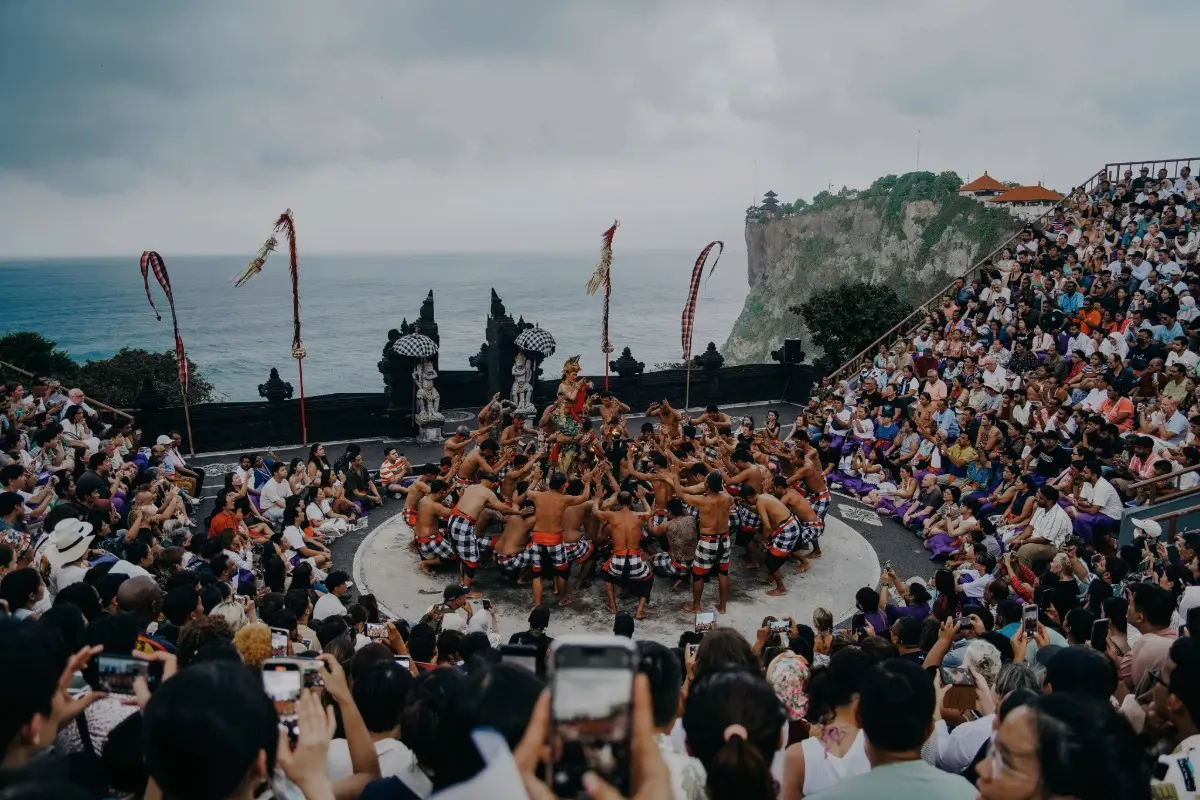
Located approximately 30 to 45 minutes from Nusa Dua, Uluwatu offers attractions such as Uluwatu Temple, the sunset Kecak Dance performance, and popular beaches including Padang Padang, Bingin, and Melasti. - Tanjung Benoa and Turtle Island:
Just 10 minutes north of Nusa Dua, Tanjung Benoa is a popular destination for water sports. Visitors can also take a glass-bottom boat tour to Turtle Island to learn about sea turtles and local conservation activities. - Ungasan and Garuda Wisnu Kencana (GWK):
Located around 20 to 30 minutes away, GWK Cultural Park is home to the famous 121-meter-tall Garuda Wisnu Kencana statue. Visitors can explore the park and enjoy cultural performances. - Sanur and Trips to Nusa Penida:
Sanur is approximately 30 minutes from Nusa Dua via the Bali Mandara Toll Road, depending on traffic. It is a major departure point for fast boats traveling to Nusa Penida and Nusa Lembongan, making it convenient for island day trips.
Getting Around Nusa Dua: Access, Transport, and Practical Tips
- Getting There from the Airport: Nusa Dua is approximately 20 to 30 minutes from I Gusti Ngurah Rai International Airport via the Bali Mandara Toll Road, depending on traffic conditions.
- Rental Cars and Online Transportation: Visitors can use transportation apps such as Grab, Gojek, and Maxim, as well as official taxis like Bluebird. These services operate around Nusa Dua, although pickup arrangements may vary at certain hotels and locations.
- Walking and Cycling: The ITDC area has clean streets and wide pedestrian pathways, making it comfortable for walking and cycling. Many hotels also provide bicycle rentals, while some offer complimentary bicycles for guests.
- Budget and Clothing Tips: Food and services at luxury resorts in Nusa Dua are generally more expensive than at local establishments. When visiting cultural or religious sites such as Pura Geger and Puja Mandala, wear modest clothing that covers your shoulders and knees. Bringing a sarong or shawl is also recommended.
Frequently Asked Questions About Things to Do in Nusa Dua
- Are the Beaches in Nusa Dua Safe for Children and Swimming?
Generally, yes. Popular beaches such as Mengiat Beach and Geger Beach have offshore coral reefs that help reduce large waves, creating relatively calm and shallow swimming areas. However, visitors should always check sea conditions and supervise children near the water. - Are the Beach Areas in Nusa Dua Exclusively for Resort Hotel Guests?
No. Nusa Dua has public beach access areas that visitors can enjoy without staying at a resort. The coastal promenade is also open to the public, although certain hotel facilities, beach chairs, and private services may require additional fees. - What Is the Ideal Length of Stay in Nusa Dua?
A stay of 2 to 4 days is generally suitable for travelers looking for a relaxing holiday. This gives you enough time to enjoy the beaches, spa treatments, and resort facilities while exploring nearby attractions in South Bali, such as Uluwatu, Jimbaran, and GWK Cultural Park. - Is Nusa Dua Suitable for Travelers Seeking Nightlife?
Nusa Dua is more suitable for families, couples, and travelers who prefer a peaceful atmosphere. Evening entertainment is mostly available at hotel restaurants, lounges, and dining areas such as Bali Collection. For a more active nightlife scene with bars and nightclubs, areas such as Seminyak, Canggu, and parts of Uluwatu offer more options.
Make the Most of Your Time in Nusa Dua
Nusa Dua offers a variety of experiences beyond its luxury resorts, from relaxing beaches and water sports to cultural attractions, local dining, and spa treatments. With so many things to do in Nusa Dua, this area is a great destination for families, couples, and travelers looking for a peaceful holiday in Bali. For more travel inspiration, destination recommendations, and practical tips, explore Insight Bali, your guide to discovering the best experiences across Bali.